Optimal Timing for Disabled Renovations
Determining the optimal time for Disabled Renovations involves considering various factors such as project scope, weather conditions, and personal circumstances. Planning renovations during periods of stable weather can minimize delays and disruptions. Additionally, scheduling during times of lower demand can lead to more flexible timelines and potentially lower costs.
Spring and summer often provide favorable weather conditions for renovations, reducing weather-related delays.
Larger or more complex renovations may benefit from longer planning phases, which are easier to accommodate during off-peak times.
Choosing a time when personal or family schedules are less busy helps ensure a smoother renovation process.
Contractor availability can influence timing; booking in advance during off-peak seasons may ensure better scheduling.
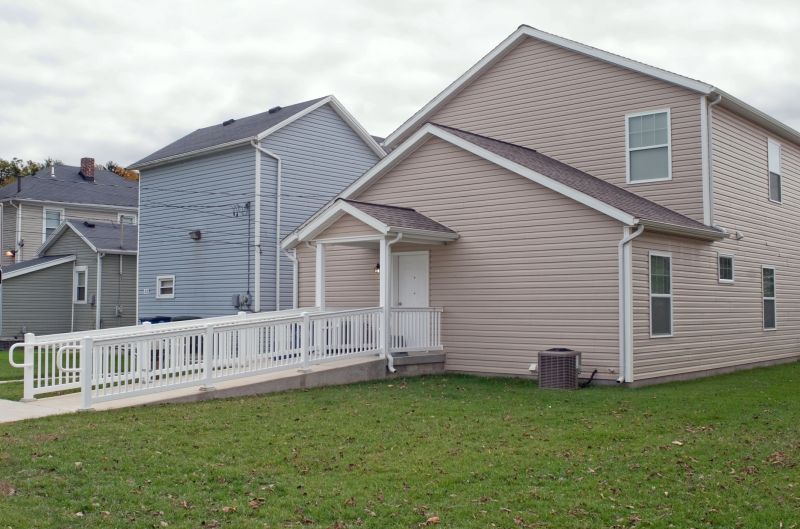
Image depicting a renovation project tailored for accessibility improvements.
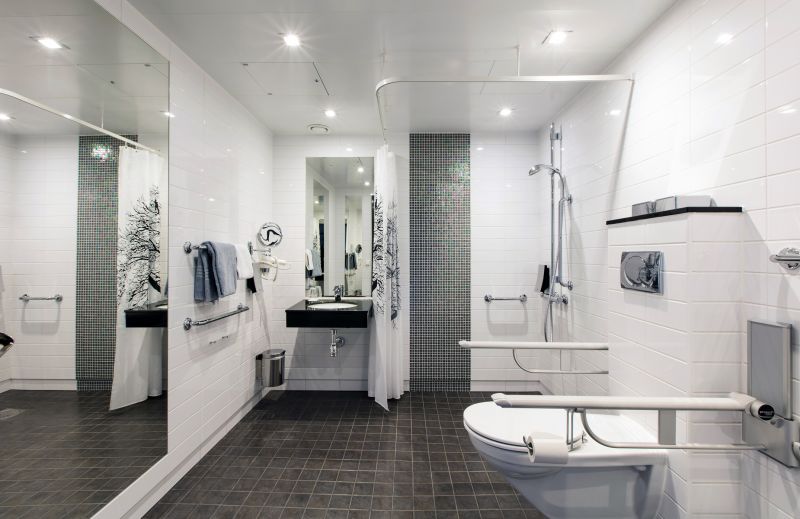
Image of an accessible bathroom upgrade with safety features.

Image showing various home modifications for accessibility.
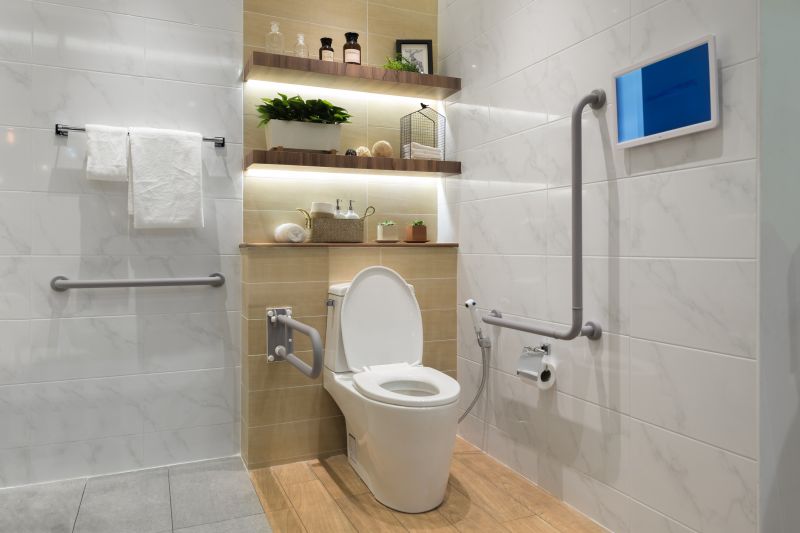
Ways to make Disabled Renovations work in tight or awkward layouts.
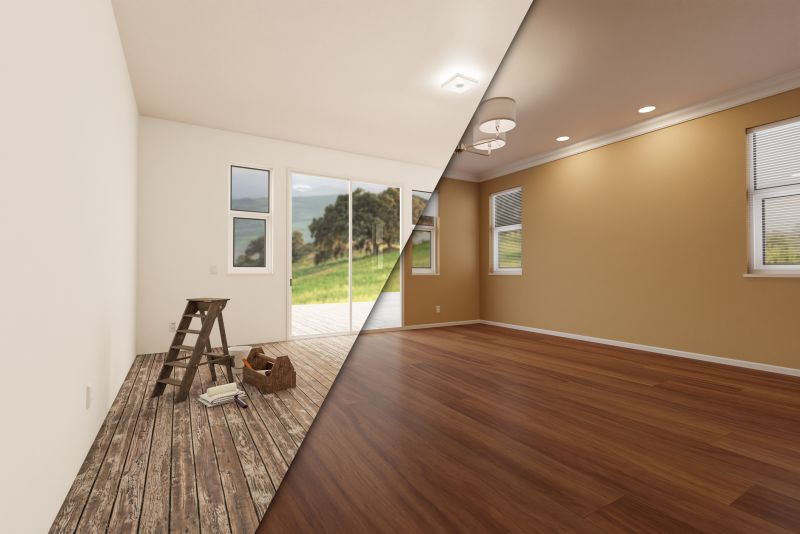
Popular materials for Disabled Renovations and why they hold up over time.

Simple add-ons that improve Disabled Renovations without blowing the budget.
Disabled Renovations focus on modifying existing spaces to enhance accessibility, safety, and independence. These renovations often include installing ramps, widening doorways, and upgrading bathrooms with accessible fixtures. According to recent statistics, a significant portion of home modifications are driven by aging populations and increased awareness of mobility needs. Proper timing can ensure renovations are completed efficiently, minimizing inconvenience and maximizing benefits.

Image of a kitchen designed for mobility and safety.
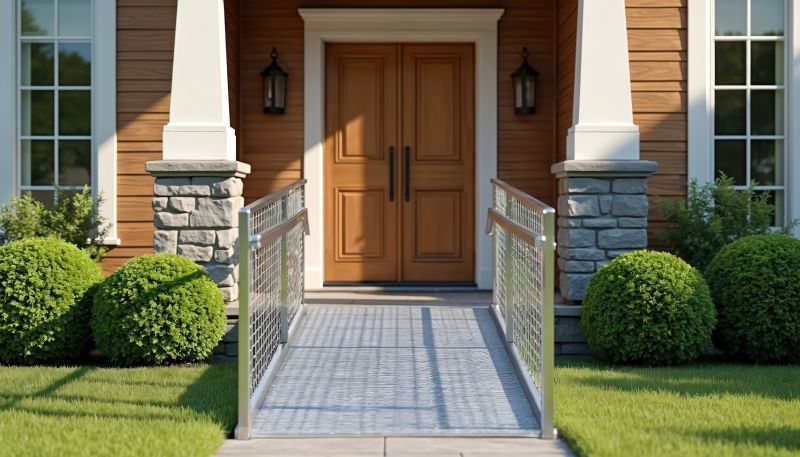
Image of an entrance with a ramp for wheelchair access.
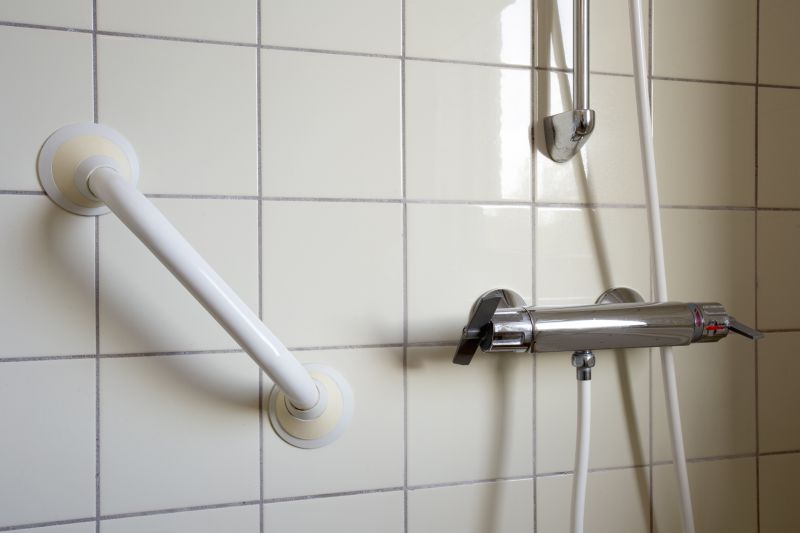
Image showing grab bars and accessible shower.
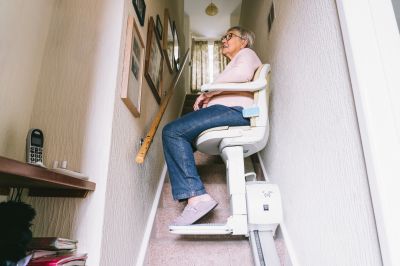
Image of a residential elevator installed for accessibility.
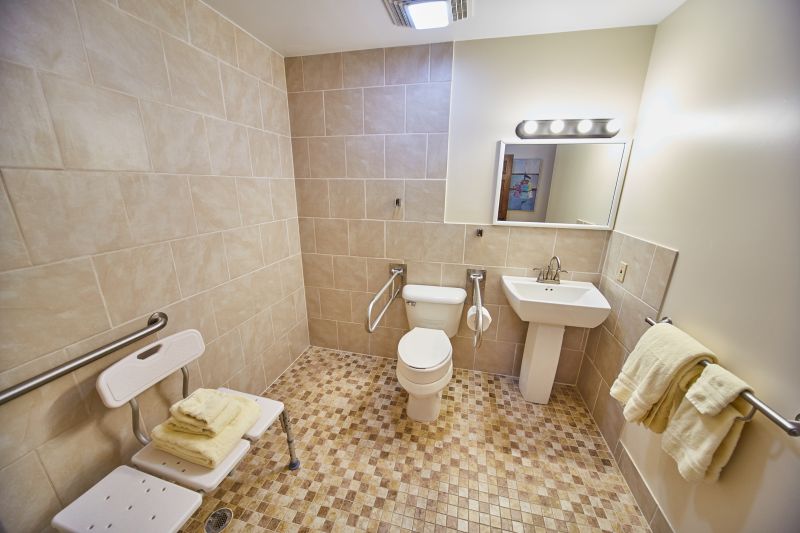
High-end options that actually feel worth it for Disabled Renovations.
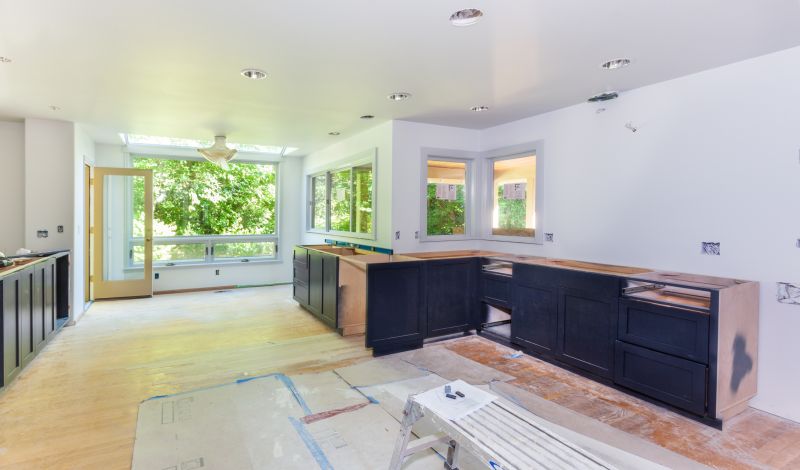
Finishes and colors that play nicely with Disabled Renovations.
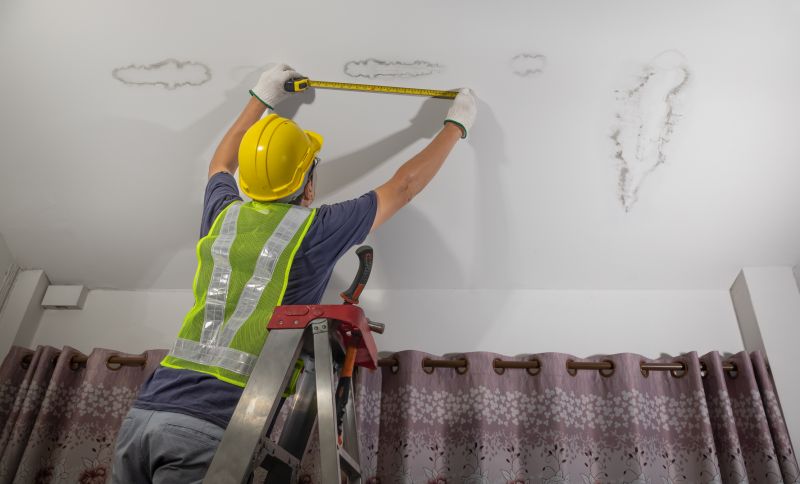
Little measurements that prevent headaches on Disabled Renovations day.
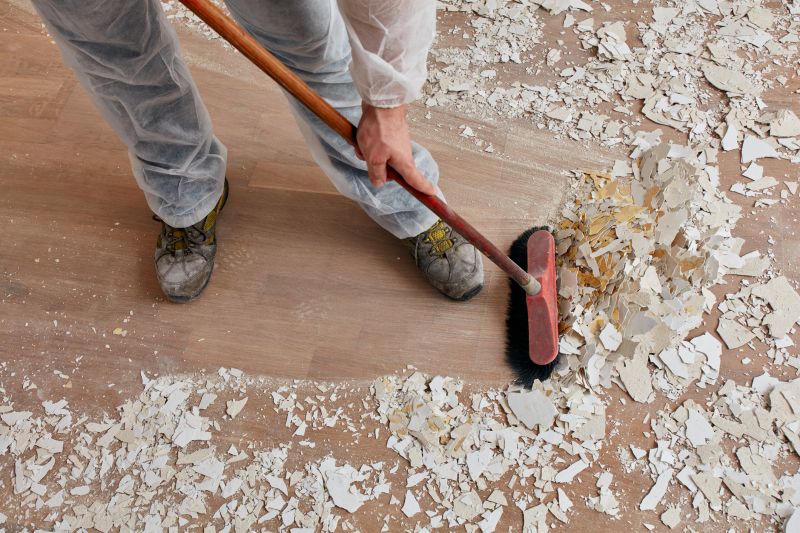
A 60-second routine that keeps Disabled Renovations looking new.

A frequent mistake in Disabled Renovations and how to dodge it.

Small tweaks to make Disabled Renovations safer and easier to use.
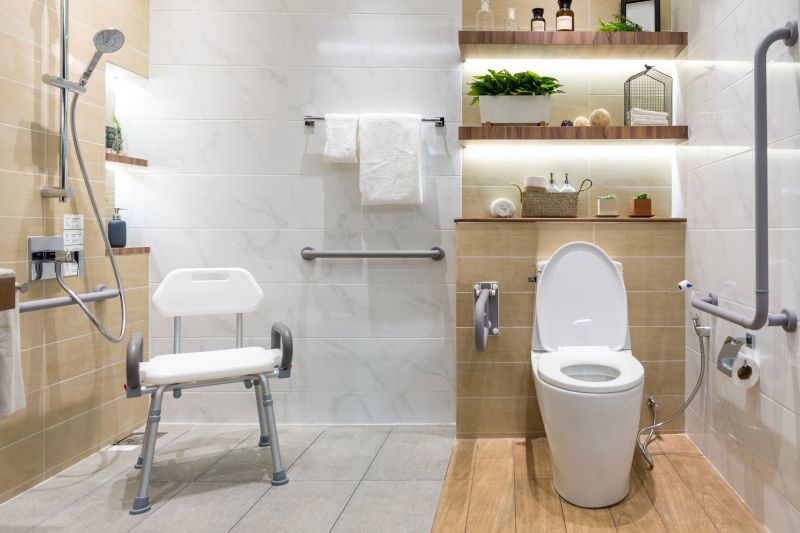
Lower-waste or water-saving choices for Disabled Renovations.

The short, realistic tool list for quality Disabled Renovations.
| Aspect | Details |
|---|---|
| Weather Conditions | Optimal renovations are often scheduled during dry, mild weather seasons. |
| Contractor Scheduling | Planning ahead ensures availability during preferred times. |
| Personal Readiness | Timing should align with personal or family schedules for minimal disruption. |
| Budget Cycles | Coordinate with funding or financial planning periods. |
| Project Size | Larger projects may require longer lead times and planning. |
| Seasonal Demand | Off-peak seasons can offer more flexible scheduling and better rates. |
| Accessibility Needs Urgency | Immediate needs may dictate shorter timelines regardless of season. |
Choosing the right time for Disabled Renovations can significantly impact the project's success and convenience. Proper planning and awareness of seasonal factors, contractor availability, and personal circumstances ensure that renovations are completed efficiently and effectively. For those considering modifications, early planning is advisable to align with optimal periods and to secure necessary resources.
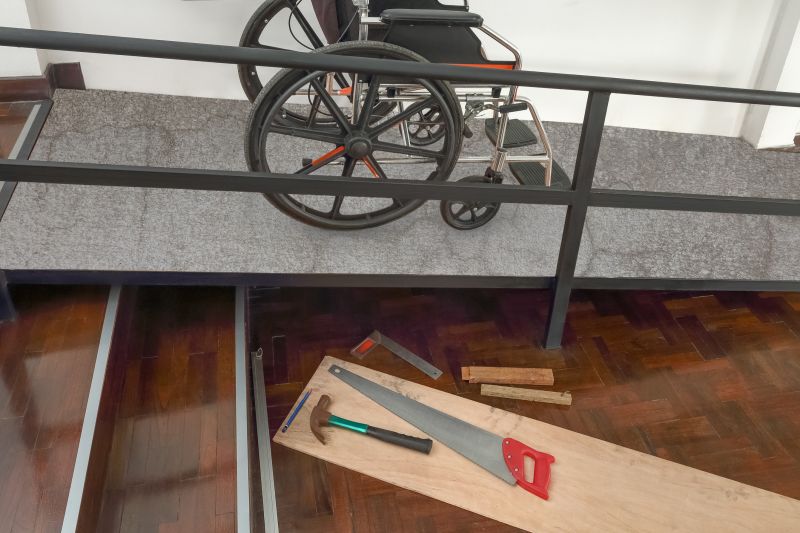
Image of a home with accessibility modifications.

Image of a wheelchair ramp at a home entrance.
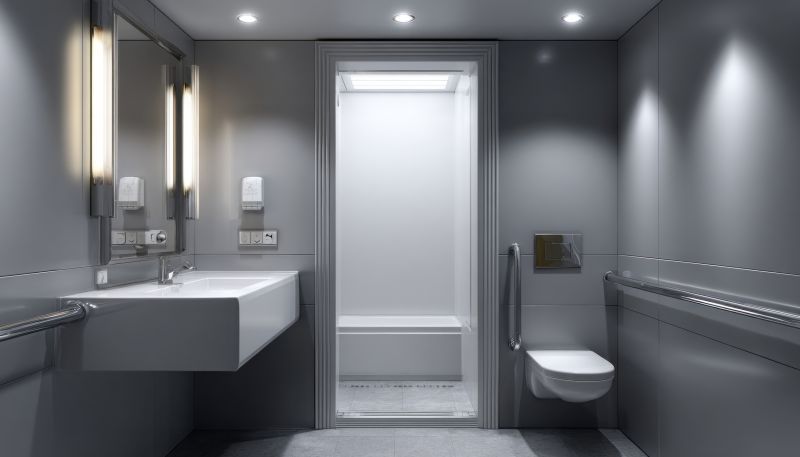
Image of an accessible bathroom with safety features.

Rough timing from prep to clean-up for Disabled Renovations.

Quick checks and paperwork to keep after Disabled Renovations.
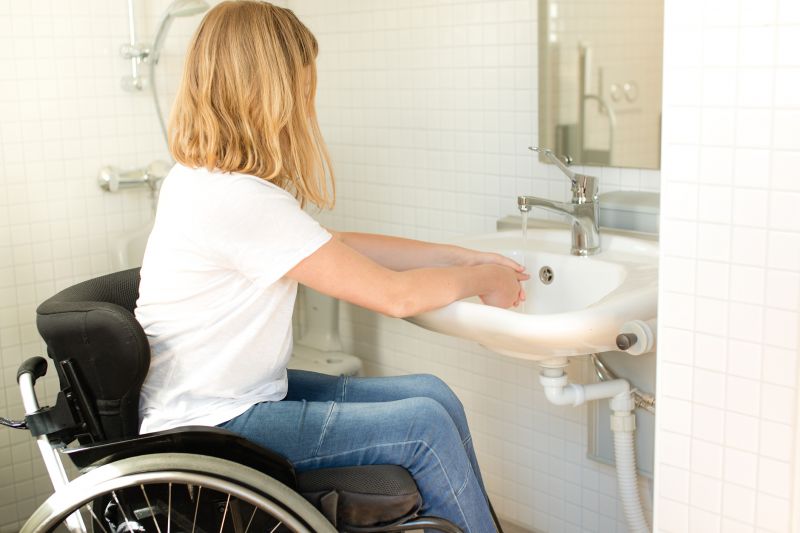
Examples that show the impact a good Disabled Renovations can make.
Interested in Disabled Renovations? Filling out the contact form can provide tailored information and assistance to plan the most suitable timing for modifications. Proper scheduling ensures accessibility improvements are completed efficiently, enhancing safety and independence.